Your Car Could Soon Track How You Drive to Improve Safety
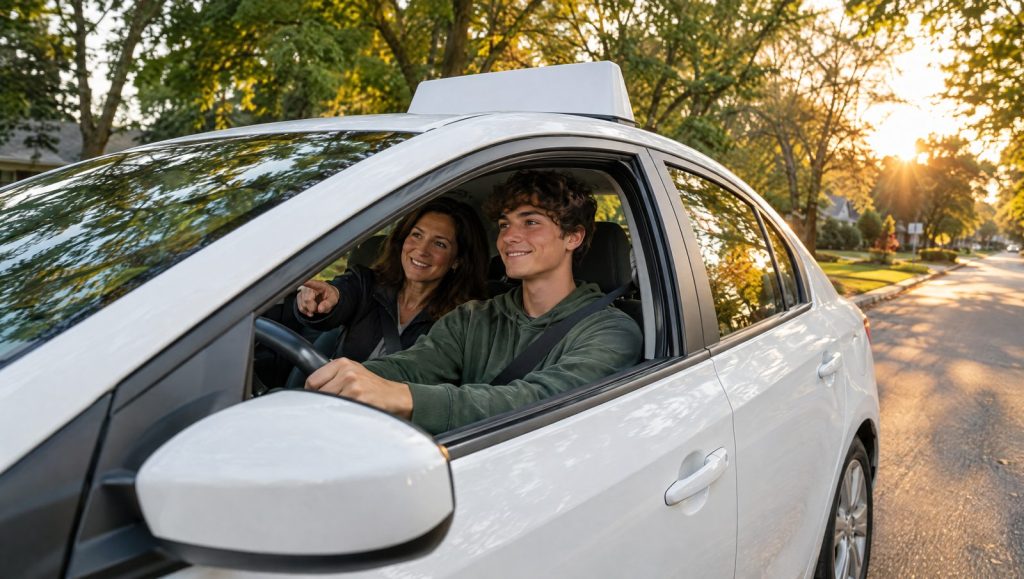
Advancements in vehicle technology are moving quickly, and one of the newest developments involves cars monitoring driving behavior to enhance safety on the roads. According to research from the Insurance Institute for Highway Safety (IIHS), future vehicles may track everything drivers do behind the wheel, providing valuable insights to improve road safety for everyone.
What Does This New Technology Entail?
New cars could be equipped with systems that continuously monitor driver habits—such as speed, braking patterns, steering, and lane changes—to better understand how individuals operate their vehicles. This data collection aims to identify risky behaviors that may increase the likelihood of crashes, allowing for immediate feedback or longer-term improvements in driving skills.
Unlike traditional safety features that respond to specific hazardous situations (like automatic emergency braking or lane-keeping assistance), these tracking systems focus on how drivers operate their vehicles overall. The goal is to encourage safer driving habits by highlighting patterns rather than only reacting to emergencies.
Why Does This Matter for New Drivers?
For those just learning to drive or recently licensed, this technology could be transformative. Newly licensed drivers often face higher crash risks due to inexperience. By using vehicle tracking systems, parents and instructors can receive objective feedback on driving behavior, which helps identify areas needing improvement.
This technology could support safer driving during the critical first years behind the wheel by:
Providing real-time information about unsafe driving actions, such as hard braking or speeding. Encouraging self-awareness and better decision-making while driving. Reducing the likelihood of traffic violations and accidents by reinforcing safe habits.
Additionally, some insurance companies are already exploring usage-based insurance programs that reward safe driving tracked through vehicle data, potentially lowering costs for responsible new drivers.
Implications for Driving Schools and Instructors
Driving schools could also benefit considerably from this technology. With cars that monitor driving behaviors in detail, instructors might gain access to more precise analytics on student performance. This can lead to:
Customizing lessons to target specific weaknesses or mistakes. Tracking progress over time with accurate data rather than relying solely on observation. Providing tangible evidence of student improvement, which can be valuable for both parents and licensing authorities.
Moreover, instructors may find it easier to promote safe driving habits if they can offer concrete feedback backed by vehicle-based data. This data-driven approach could enhance teaching effectiveness and better prepare new drivers for real-world conditions.
What This Means for Road Safety
The broader implication of cars monitoring driving behavior is a potential reduction in crashes and traffic injuries. By identifying and correcting unsafe driving patterns early, overall road safety could improve—not just for new drivers, but for everyone sharing the road.
Systems like these align with IIHS’s mission to reduce crash-related injuries and fatalities by encouraging safe driving behaviors and supporting safer driver education practices. Integrating technology into driver training and vehicle safety protocols represents a forward-looking effort to save lives and improve mobility.
In Summary
Vehicle tracking technology that monitors how people drive is likely to become an important tool in driver education and road safety. For new drivers and their families, it offers an additional layer of support to build safe habits. For driving schools, it provides objective data to tailor instruction and improve learner outcomes. As this technology becomes more widespread, it may help reduce crashes and make roads safer for everyone.
Source: Your Car May Soon Be Monitoring Everything You Do Behind The Wheel – Motor1.com