Hyundai Tucson Outperforms Toyota RAV4 in Latest Crash Test
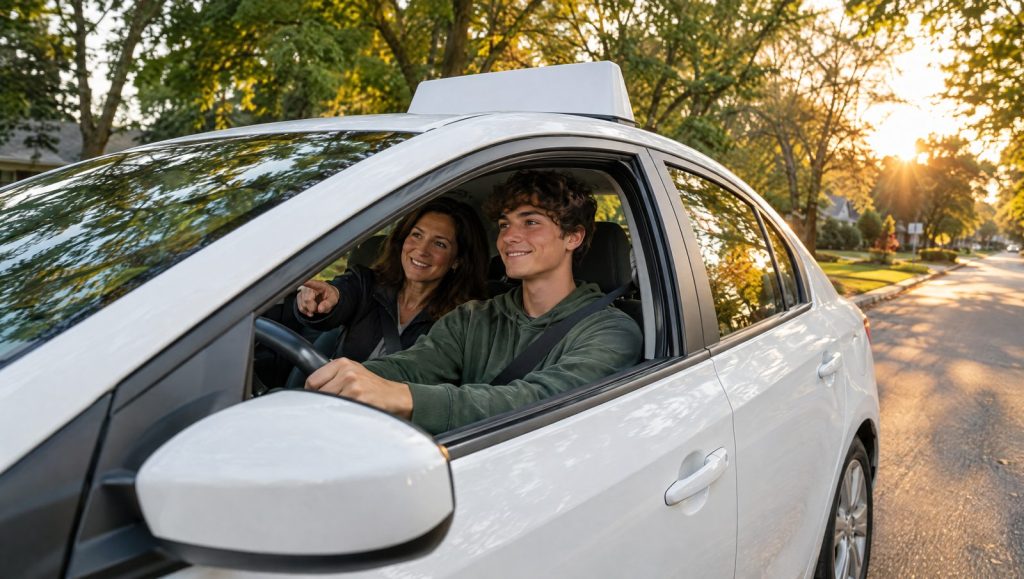
The latest crash tests conducted by the Insurance Institute for Highway Safety (IIHS) have highlighted a noteworthy development in the compact SUV segment. The Hyundai Tucson has outperformed the popular Toyota RAV4 in several key safety areas, earning recognition for its superior crashworthiness. This result is particularly relevant for new drivers, parents of teen drivers, and driving instructors who prioritize vehicle safety when choosing or recommending cars.
Understanding the IIHS Crash Test Comparison
The IIHS evaluates vehicles based on various crashworthiness and crash avoidance criteria. It conducts tests such as small overlap front, moderate overlap front, side impact, roof strength, and head restraint evaluations. Of equal importance is the assessment of crash avoidance technologies like automatic emergency braking and headlight performance.
In the recent head-to-head evaluation, the Hyundai Tucson scored higher than the Toyota RAV4 in overall safety ratings. The Tucson demonstrated stronger occupant protection in front and side impact tests and received better marks for its standard safety features. Unlike the RAV4, which had some variability across trims, the Tucson provided consistently robust protection across its models.
What This Means for New Drivers and Their Families
For new drivers and parents of teen drivers, vehicle safety is a critical consideration. New drivers often lack experience and are more prone to crashes, so having a vehicle with strong crash test ratings can significantly reduce injury risks.
Prioritize Safety Ratings: When choosing a first car, look for models that earn "Good" or "Superior" ratings in the IIHS tests. The Hyundai Tucson's better crash test results make it a safer choice compared to the Toyota RAV4. Standard Safety Features Matter: Features like automatic emergency braking (AEB), lane departure warning, and effective headlights can prevent accidents before they occur. The Tucson's safety technologies come standard in most trims, offering an advantage for safety-conscious buyers. Increased Peace of Mind: Higher crashworthiness ratings translate to better protection in the event of a collision, providing parents and new drivers confidence on the road.
Implications for Driving Schools and Instructors
Driving schools and instructors play a vital role in promoting safe driving habits and often provide vehicles for training new drivers. Considering vehicle safety ratings can enhance the quality of driver education programs in several ways:
Using Safer Training Vehicles: Choosing vehicles like the Hyundai Tucson with superior crash test results can better protect learners during on-road training and simulations. Educating About Vehicle Safety: Instructors can incorporate the importance of vehicle safety into their lesson plans, teaching learners to make informed decisions about car selection. Advocating for Safety Features: Highlighting the value of advanced driver assistance systems (ADAS) can encourage future drivers to prioritize vehicles equipped with the latest safety technologies.
Additionally, promoting safe vehicle choices aligns with broader road safety goals and helps prepare new drivers to navigate roads responsibly.
Conclusion
The Hyundai Tucson’s strong performance in the latest IIHS crash tests underscores the importance of prioritizing safety when choosing a vehicle, especially for new drivers and their families. Its superior crashworthiness and standard safety technologies provide enhanced protection not only in accidents but also through crash prevention measures. Driving schools and instructors should consider these factors when selecting training vehicles and educating new drivers about vehicle safety.
Source: Tucson 1, RAV4 0: Hyundai Wins The Crash Test Toyota Needed – CarBuzz