How to Pass Your NY Road Test: Step-by-Step Preparation Guide
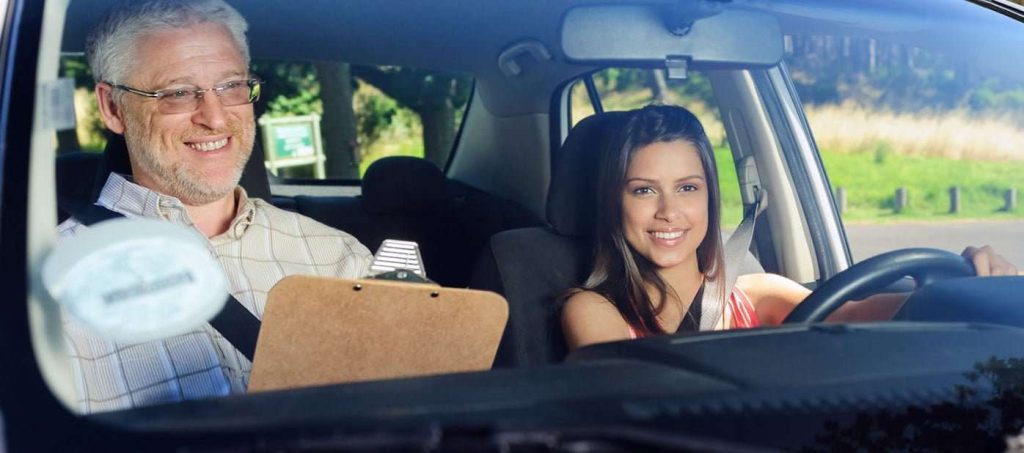
The New York road test is the last step before you get your driver license. It is also the step that makes most new drivers nervous. The good news: the process is predictable. If you know the order of the steps, practice the skills the examiner actually scores, and show up with the right paperwork and car, you give yourself the best possible chance of passing on the first try.
This guide walks you through every step, from your learner permit to test day, plus practical ways to handle test nerves.
Step 1: Get Your Learner Permit
New York residents can apply for a learner permit at age 16. To get it, you pass a vision test and a written knowledge test at the DMV.
- The written test has 20 questions. You need at least 14 correct to pass.
- Four of the questions are about road signs, and you must get at least 2 of those 4 right, even if your overall score is high enough.
- You need 20/40 vision in at least one eye, with or without glasses or contacts.
- If you are under 18, the DMV offers the permit test online. You still have to visit a DMV office to finish getting your permit.
Study the New York State Driver’s Manual (MV-21) and practice quizzes on the DMV website. The DMV says its chapter quizzes use actual test questions, and Chapters 4 through 11 cover what you need for the permit test.
Use Practice Tests the Right Way
Practice tests help, but only if you use them to find gaps rather than to memorize answers.
- Read the chapter first, then take its quiz. Start with Traffic Control, Intersections and Turns, and the road signs quiz.
- Review every miss. Go back to the manual section and reread it until you can explain the rule in your own words.
- Finish with the all-chapters quiz. Take it more than once on different days.
- Don’t skip road signs. Because you need at least 2 of the 4 sign questions, weak sign knowledge alone can sink your score.
The manual is also useful after you pass the permit test. Chapters on intersections, passing, parallel parking, and defensive driving describe exactly what you will do on the road test.
Step 2: Complete the 5-Hour Pre-Licensing Course
Before you can schedule a road test, most new drivers must complete New York’s 5-hour Pre-Licensing Course. The main exception is students who complete an approved high school or college driver education program, who receive a Student Certificate of Completion (MV-285) instead.
When you finish the classroom or virtual version of the 5-hour course, you get a Pre-Licensing Course Completion Certificate (MV-278). It is valid for one year and must still be valid on the day you book your road test.
The course is classroom instruction only. It does not include behind-the-wheel lessons or road test preparation. For a full breakdown of formats, age rules, and booking, read our guide to the NY 5-hour pre-licensing course, or browse schools that offer the pre-licensing course.
Step 3: Log Your Supervised Practice (MV-262)
If you are under 18 and hold a junior learner permit (Class DJ or MJ), the rules are strict:
- You must complete at least 50 hours of supervised driving, including at least 15 hours after sunset.
- You must wait at least 6 months from the date you got your permit before you can schedule a road test.
- A parent or guardian signs the Certification of Supervised Driving (MV-262), and you give it to the examiner at every road test.
Hours you drive with a licensed driving school instructor or driver education teacher count toward the 50 hours and can be certified on the MV-262. Any other practice must be supervised by someone at least 21 who holds a license valid for the vehicle you are driving.
Even if you are 18 or older and don’t need the MV-262, the DMV’s advice still applies: aim for at least 50 hours of practice, with at least 15 after sunset. The DMV also recommends at least 10 hours in moderate to heavy traffic.
Make Practice Count
- Practice the test maneuvers on purpose. Leaving the curb, left and right turns, three-point turns, parallel parking, and lane changes should feel routine.
- Drive unfamiliar streets. Your test route won’t be one you drove a hundred times.
- Don’t practice at the test site. The DMV says practice driving is not allowed at New York State road test sites.
- Book a few professional lessons. An instructor can spot habits your family members may not notice, like rolling stops or skipping blind-spot checks.
Step 4: Schedule Your Road Test
You schedule, reschedule, or cancel through the DMV’s online road test scheduler or by phone. To book, you need:
- A valid learner permit
- An original, unexpired MV-278 or MV-285
- The ZIP code of the test location you want
- At least one unused road test
Your permit application fee includes two road tests. If you fail both, you must buy two more before you can schedule again. The DMV lists that fee as $10 for two tests; check the current amount on the DMV road test page before you pay.
The DMV says the earliest available date is usually 3 to 5 weeks out but can be up to 10 weeks during busy periods. There are no waiting lists, and tests are almost always on weekdays. Plan ahead if you have a deadline, like a summer job.
Step 5: Know What the Examiner Scores
The DMV publishes a Class D scoring summary that groups errors into five areas. Practice with this list in front of you.
- Leaving the curb: failing to observe, failing to signal, or using only your mirror instead of checking your blind spot.
- Turning and intersections: poor judgment approaching intersections, not stopping near the center of the intersection while waiting to turn left, poor right or left turns, and being inattentive to traffic.
- Parking, backing, and U-turns: not signaling, not observing carefully, being unable to park or make a 3-point turn, parking too far from the curb, and using too many maneuvers.
- Driving in traffic: not keeping right, wrong lane, following too closely, speed too fast for conditions, driving so slowly you block traffic, failing to yield to pedestrians or other vehicles, and poor lane changes.
- Vehicle control: repeated stalling, poor acceleration or steering, delayed or abrupt braking, poor use of gears, poor reaction to emergencies, and being unfamiliar with the car’s controls.
Common Mistakes to Fix Before Test Day
Most of the items above come down to a handful of habits. Fix these during practice:
- Pulling away from the curb with only a mirror glance. Turn your head and check your blind spot every time.
- Forgetting to signal for curb exits, lane changes, and parking.
- Rolling through stop signs. Come to a full stop behind the line.
- Following too closely, especially in slow traffic.
- Rushing the parallel park or 3-point turn. Slow and controlled beats fast and sloppy.
- Driving too slowly out of nervousness. Going far under the limit can count against you too.
- Not watching for pedestrians at crosswalks and intersections.
- Fumbling with controls. Know where the wipers, lights, hazards, and defroster are in the car you’ll test in.
Step 6: Get the Car and Paperwork Ready
Test-Day Car Requirements
You provide the car. The DMV says it must have a valid registration, insurance, and inspection, operate properly, and be in clean condition. A few more rules catch people off guard:
- The car needs permanent plates (two for a passenger car). In-transit permits are not accepted.
- If you use a rental car, the DMV asks for the rental agreement and written permission to use it for the road test.
- If your car has driver-assist features, review the DMV’s guidance on testing in vehicles with Advanced Driver Assistance Systems before your test.
- Check the lights, turn signals, brake lights, horn, wipers, and tires the day before.
Many driving schools offer road test packages that include a warm-up lesson and use of the school’s car for the test. That can be a simple fix if your family car is unavailable or doesn’t meet the rules.
What to Bring
- Your physical photo learner permit
- Your original MV-278 or MV-285 (copies are not accepted)
- Your MV-262, signed by a parent or guardian, if you are under 18
- Glasses or contacts, if your permit requires them
- An accompanying driver with a physical license valid for the test car. The DMV requires this driver to be over 18 if they drive you to the site, or over 21 if you drive to the site with them. Mobile IDs are not accepted for either of you.
Only the accompanying driver can come with you. No other passengers are allowed at the test site.
Step 7: Handle Test-Day Nerves
Almost everyone is nervous. The goal isn’t to feel zero nerves. It’s to keep them from changing how you drive.
- Arrive early, but not too early. The DMV says to arrive up to 15 minutes early, and that a late arrival may mean you have to reschedule.
- Breathe slowly before you start. A few slow breaths while you adjust your seat and mirrors help steady your hands.
- Narrate in your head. “Mirror, signal, blind spot, go.” Talking yourself through each step keeps your attention on the road instead of the clipboard.
- Ask if you didn’t hear an instruction. It is better to ask than to guess and turn the wrong way.
- Let one mistake go. A wide turn doesn’t automatically mean you failed. Reset and drive the rest of the test well.
Calm, Defensive Habits That Also Pass Tests
The same habits that keep you calm in real traffic are the ones examiners want to see. If another driver honks, cuts you off, or tailgates, don’t react. Keep your speed steady, leave space, and let them go. Avoid eye contact or gestures, and focus on your own lane. Leaving a safe following distance, scanning ahead, and anticipating what pedestrians and other drivers will do are all on the scoring sheet, and they make every drive less stressful long after you have your license.
After the Test
The DMV posts results online after 6 p.m. on the day of your test. If you pass, you can get an interim license online, and your photo license arrives by mail in about two weeks. If you are under 18, junior license restrictions apply.
If you don’t pass, your learner permit stays valid until it expires. You must wait at least 14 days before taking another test, and you’ll pay for additional tests if you have used your first two. Use your score results to focus your practice on the areas you missed.
FAQ
How long is the NY road test?
The DMV doesn’t publish a set length. Most of your time at the site is check-in, a vehicle and document check, and a short drive on local streets. Plan to be at the site longer than the drive itself.
Do I need the 5-hour course if I took driver’s ed in high school?
No, if you completed an approved high school or college driver education program and have your MV-285 certificate. Everyone else needs the 5-hour course and an MV-278 (or online completion reported to the DMV) before scheduling.
Can I use a driving school’s car for my road test?
Many schools offer this as part of a road test package. The car still has to meet all DMV vehicle rules, and you still need an accompanying driver who meets the DMV’s age and license requirements.
How many times can I take the NY road test?
Your permit fee covers two tests. After two failed tests, you buy additional tests before you can schedule again. You must wait at least 14 days between attempts.
Can I practice at the road test site?
No. The DMV says practice driving is not allowed at New York State road test sites. Practice on similar streets in your area instead.
Need Help Preparing for Your NY Driving Test?
As you can see, there’s a lot you need to do when it comes to figuring out how to prepare for your driving test. Because of all the information involved, it’s easy to feel overwhelmed as you get ready for the big day. If you’re not feeling as confident as you’d like to feel going into your test or you have driving test anxiety, consider working with us at Pierre Paul Driving. Check out our different driver’s education packages today. You can also contact us to sign up or to learn more about how we can help you get prepared for your test. Tagged how to prepare for your driving testNot sure what your state requires? Answer five quick questions and get a free, step-by-step driving license road map for your state: permit, courses, practice hours and road test tips.