Crash Tests and Fleet Safety Tips to Protect Your Vehicle
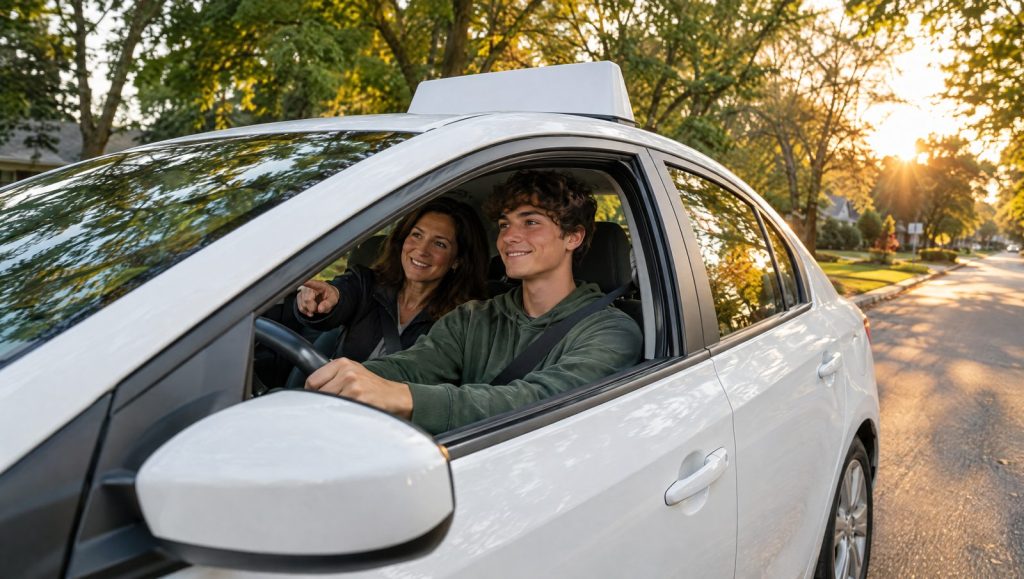
Understanding Crash Tests and Their Importance for New Drivers
Crash tests play a crucial role in determining how safe a vehicle is in the event of a collision. Conducted by organizations such as the Insurance Institute for Highway Safety (IIHS), these tests evaluate how different types of vehicles perform in various crash scenarios. The results help consumers, including new drivers and parents of teen drivers, make informed decisions when choosing a car. For those learning to drive or running a driving school, understanding crash test ratings underscores the importance of vehicle safety on the road.
The IIHS assesses vehicles based on factors like crashworthiness—the ability of a vehicle to maintain its structure during a crash—and the effectiveness of safety features such as airbags, seat belts, and electronic stability control. Vehicles that earn high marks in these tests provide better protection during real-world crashes, reducing the risk of serious injury or death.
What Crash Test Results Mean for New Drivers
For new drivers, selecting a vehicle with strong crash test ratings can be a vital factor in safety. Teen drivers tend to be at higher risk for accidents due to inexperience, so vehicles that provide extra protection can offer peace of mind to both the driver and their family. When deciding on a car, looking at the IIHS safety ratings can help ensure you choose a model that offers reliable protection in different crash situations.
Moreover, new drivers should become familiar with the safety technologies that contribute to these ratings. Features such as automatic emergency braking, lane departure warnings, and blind-spot detection, though sometimes optional, can significantly aid young or inexperienced drivers by helping to prevent crashes before they happen.
The Rise of Catalytic Converter Theft and Its Impact on Vehicle Safety
Besides crash safety, another consideration for vehicle security is the growing issue of catalytic converter theft. These thefts have increased and can affect older vehicles, potentially leaving drivers without essential emissions control parts, leading to costly repairs and the possibility of a vehicle becoming unsafe or illegal to operate.
While catalytic converter theft may not directly relate to crash safety, it still affects the overall condition and legal status of a vehicle. For new drivers, owning a vehicle that is a common target for such theft could mean extra vigilance is necessary when parking and securing the car. This adds another dimension to vehicle maintenance and safety awareness for new drivers and their parents.
Safety Considerations for Driving Schools and Instructors
Driving schools have a responsibility to ensure that their fleet vehicles are as safe as possible. Many schools rely on used or affordable vehicles, which might not always have the latest safety features. By consulting the IIHS crash test ratings, driving schools can assess which models within their budget offer the best protection. Investing in high-rated vehicles not only protects students but also can enhance the school’s reputation for safety.
Additionally, instructors can use information about vehicle safety features to better educate learner drivers. Teaching students how features like electronic stability control or emergency braking systems work can improve their understanding of safe driving practices and the technology that supports them on the road.
From a practical standpoint, awareness of issues like catalytic converter theft also matters for fleet management. Schools should implement security measures, such as parking in well-lit areas or installing protective devices, to minimize theft risks and maintain the operational readiness of their vehicles.
Conclusion: Prioritizing Vehicle Safety for All Drivers
Crash tests and vehicle safety ratings from sources like IIHS provide invaluable guidance for new drivers and those responsible for driver education. Choosing vehicles with strong safety credentials, understanding modern safety technology, and remaining vigilant against risks like theft help create safer driving environments. Whether you are a new driver, parent, or driving school operator, staying informed about these topics is essential to protect lives and promote responsible driving habits.
Source: Crash Tests, Catalytic Converter Theft & Fleet Safety | AF News Recap – Automotive Fleet